
September 8, 2026
A coaching client recently stopped herself in the middle of a sentence. The exchange went like this:
“I can’t say that,” she told me.
“Why not?”
“Because I want to be authentic.”
I smiled and asked, “Are you trying to be authentic…or are you trying to say everything you’re thinking?”
She paused. “Those aren’t the same thing?”
Authenticity has become one of the most overused words in leadership. We’re told to ‘bring our whole selves to work’ and ‘be authentic,’ but very few people ever stop to define what authenticity actually means. If I asked ten people, I’d likely get ten different answers.
So here’s the question I want you to consider: When do you feel most like yourself?
Not when are you happiest.
Not when are you most successful.
When do you walk away from an interaction thinking, ‘That felt like me.’
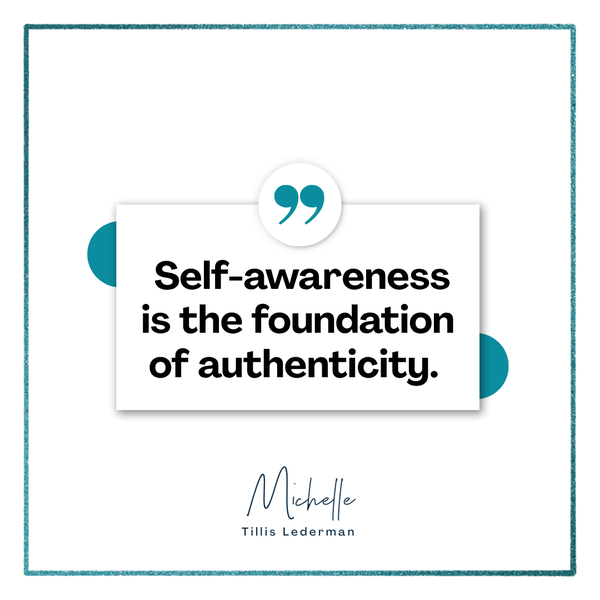
That question tells you far more about your authenticity than asking whether you’re being “real.” Before you can build authentic relationships with others, you have to understand yourself. Self-awareness is the foundation of authenticity.
The Authenticity Test
Think about the last conversation you had. When it was over think about how you felt. Ask yourself:
• Did I feel energized or drained?
• Did I sound like myself?
• Was I trying to impress someone?
• Did I say what I thought I should say instead of what I genuinely believed?
If you consistently leave interactions feeling exhausted, there’s a good chance you’re working harder to create an image than to create a connection.
 |
Law of Likability #1: The real you is the best you. That doesn’t mean every version of you is appropriate in every situation. It means the version people experience should still feel honest to your values, your personality, and your intentions.
Four Myths About Authenticity
Myth #1: Authenticity focuses more on your relationship with others than your relationship with yourself.
Authenticity doesn’t start with how others see you. It starts with how well you know yourself.
Before you can build authentic relationships with others, you need to understand your own values, motivations, strengths, and blind spots. That self-awareness allows you to communicate with confidence and consistency rather than simply reacting to the people and situations around you.
The 11 Law of Authenticity, “The real you is the best you,” doesn’t mean every version of you is appropriate in every situation. It means the version people experience should be grounded in your values, personality, and intentions.
Authenticity isn’t determined by whether everyone likes you or agrees with you. It’s determined by whether your actions consistently reflect who you truly are.
Myth #2: Matching rapport or flexing is disingenuous.
Many people worry that building rapport means changing who they are to fit someone else’s style. It doesn’t. Rapport is simply being “in sync” with another person—understanding their perspective, recognizing the validity of their experience, and communicating in a way that makes the interaction smoother.
The goal isn’t to become someone else; it’s to make it easier for someone else to connect with the real you. Authentic communicators operate within their range of self. They flex their style without abandoning their personality, values, or beliefs. They remain true to who they are while considering the needs, preferences, and perspectives of the other person.
In fact, trying to become someone you’re not can actually undermine rapport. Authentic connection happens when you adapt how you communicate, not who you are.
Myth #3: Being authentic means saying exactly what you’re thinking.
Being authentic doesn’t mean every thought deserves a voice. Authentic communicators use situational awareness to decide whether a thought needs to be expressed and, if so, how and when to express it. Consider the context: Is this the right time? The right place? Is it relevant? Will sharing it move the conversation or relationship forward? Or does it simply satisfy your need to say it?
Creating an environment where people feel comfortable being themselves requires a culture of respect. Not every opinion running through your mind contributes to that environment, nor does saying everything you’re thinking make you more authentic.
You can be honest without being hurtful. You can disagree without diminishing someone. You can choose your words thoughtfully without compromising your values. One of the greatest communication skills is knowing the difference between transparency and unnecessary disclosure.
Authenticity isn’t about saying everything that’s on your mind. It’s about communicating in a way that is both genuine and respectful.
Myth #4: Authenticity is a static state.
Some people believe that being true to yourself means remaining the same. But authenticity doesn’t require rigidity—it requires honesty.
I imagine every person reading this has experienced something that changed their perspective. A life event, a new opportunity, a difficult conversation, or simply the wisdom that comes with time. Those moments don’t make you less authentic; they are markers of your personal evolution.
Most of us continue learning, growing, and changing throughout our lives. As your experiences shape your beliefs, priorities, and perspectives, take time to reflect on how those changes influence your identity and values. Growth isn’t abandoning who you are; it’s becoming more fully who you are.
Authenticity isn’t about staying the same. It’s about staying true to yourself as you grow.
From Myth to Truth
If you want to take these myths and make them your truths, it may sound like this:
Truth 1: Know yourself.
Truth 2: Don’t change yourself to fit others. Adapt your style without changing yourself.
Truth 3: Be intentional, not unfiltered. Express yourself thoughtfully.
Truth 4: Allow yourself to grow and evolve.
Authenticity Builds Trust
|
|
People don’t connect because you’re polished. They connect because you’re believable.
When your words, actions, values, and intentions consistently align, people know what to expect from you. That consistency builds trust, and trust is the foundation of every meaningful relationship.
The goal isn’t to perform. The goal is to connect.
So the next time you leave a conversation, don’t ask yourself whether you were impressive. Ask yourself: Did that feel like me?
And then ask one more question: Am I communicating in a way that allows others to know the real me?
Because authenticity isn’t a solo act. It comes alive in relationships. And that’s where real relationships—and real results—begin.
More with Michelle
|
|
 |
I am so excited to be heading to Michigan to deliver my Get Known, Get Connected, Get Ahead talk on September 17!
If you are near Grand Rapids, join Meijer, Michigan Council of Women in Technology (MCWT) and SIM West Michigan Women for breakfast at Meijer Corporate Headquarters and hear me talk to Women in Technology about how to advance and to get ahead in their careers.
Get Known, Get Connected, Get Ahead
What do you need to get ahead? In this day and age, we live in a network economy – – it’s all about who you know, who knows you, and what they know about you. In the new normal of remote work, connecting has taken on new challenges. In the fast moving, hybrid world we communicate through email, text and video conference and forget the power of conversation.
In this talk Connector’s Advantage author Michelle Tillis Lederman shares the three steps to getting ahead. She will inspire you to leverage the power of personal connection to get better, faster, and easier results. At the end of the day, it is the strength of your relationships that leads to your success.
What You Will Learn:
- Determine what “getting ahead” means to you
- Realize the impact of relationships on results
- Learn the anatomy of a conversation and specific ways to increase your value to your network
- Discover key strategies to build intentional connection into your remote workplace
- Leverage technology and social media in simple ways to increase familiarity
- Ask for what you want with ease and increase the odds of getting a yes
Time: 7:30AM – 9:00AM
Where: Fred Meijer Headquarters
2929 Walker Ave NW
Grand Rapids, Michigan 49544
REGISTER HERE