November 10, 2026
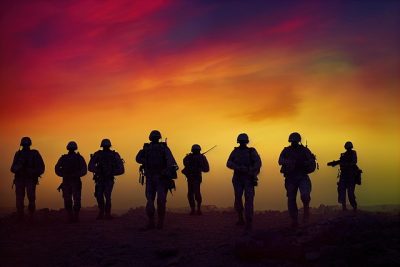
Years ago, I spent a lot of time thinking about what I could do for veterans. I never served. No one in my immediate family has served. My father did not medically qualify though his brothers did. I wanted to figure out a way to serve those who have served.
I researched the challenges they faced transitioning from military service into the civilian workplace and wrote Heroes Get Hired to help veterans translate their experience and skills in ways employers could understand.
But as I think about Veterans Day now, I find myself flipping the question. Instead of only asking what we can do for veterans, instead I ask what can we learn from them?
 |
There are many lessons, but several feel particularly relevant to leadership today.
1. Mission Before Ego
In the military, everyone has a role, but the mission is bigger than any one person. In organizations, we can easily get caught up in our own priorities, our own teams, our own recognition, and our own way of doing things.
Connected leaders keep bringing people back to the bigger picture: What are we trying to accomplish together? How does my work contribute? Where might I need to put the mission ahead of my own agenda?
2. Clarity Matters
In high-stakes situations, unclear communication has consequences. While most of us aren’t operating in life-or-death situations, the lesson still applies. People perform better when they understand the objective, their role, priorities, and what is expected of them.
Clear communication isn’t simply about giving direction. It’s also about listening, confirming understanding, asking questions, and making sure everyone is moving toward the same goal.
3. Adaptability Is a Leadership Skill
Things don’t always go according to plan. Circumstances change. New information emerges. Priorities shift. Veterans are trained to assess what is happening, adapt, and keep moving toward the objective.
Leaders need the same flexibility. Being committed to the goal doesn’t mean being committed to one way of getting there.
4. You Depend on the People Around You
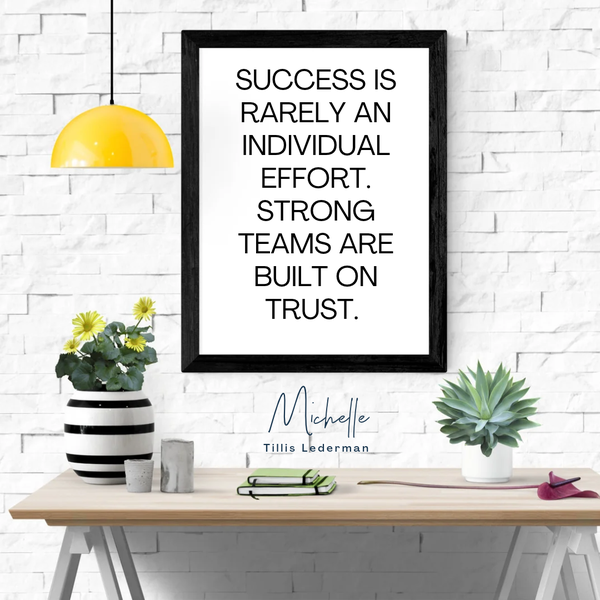
Perhaps the biggest lesson is that success is rarely an individual effort. Strong teams are built on trust—trust that people will do their jobs, speak up when something isn’t right, support one another, and step in when needed.
That’s true in the military, and it’s true in our workplaces and our lives.
This Veterans Day, thank a veteran for their service. And perhaps do something else, too… pay attention to what their service can teach us about how we lead, communicate, trust, and work together.
Your Weekly Challenge
Think about the four lessons above. Which one could make you a better leader or teammate right now? Choose one and put it into practice this week.